
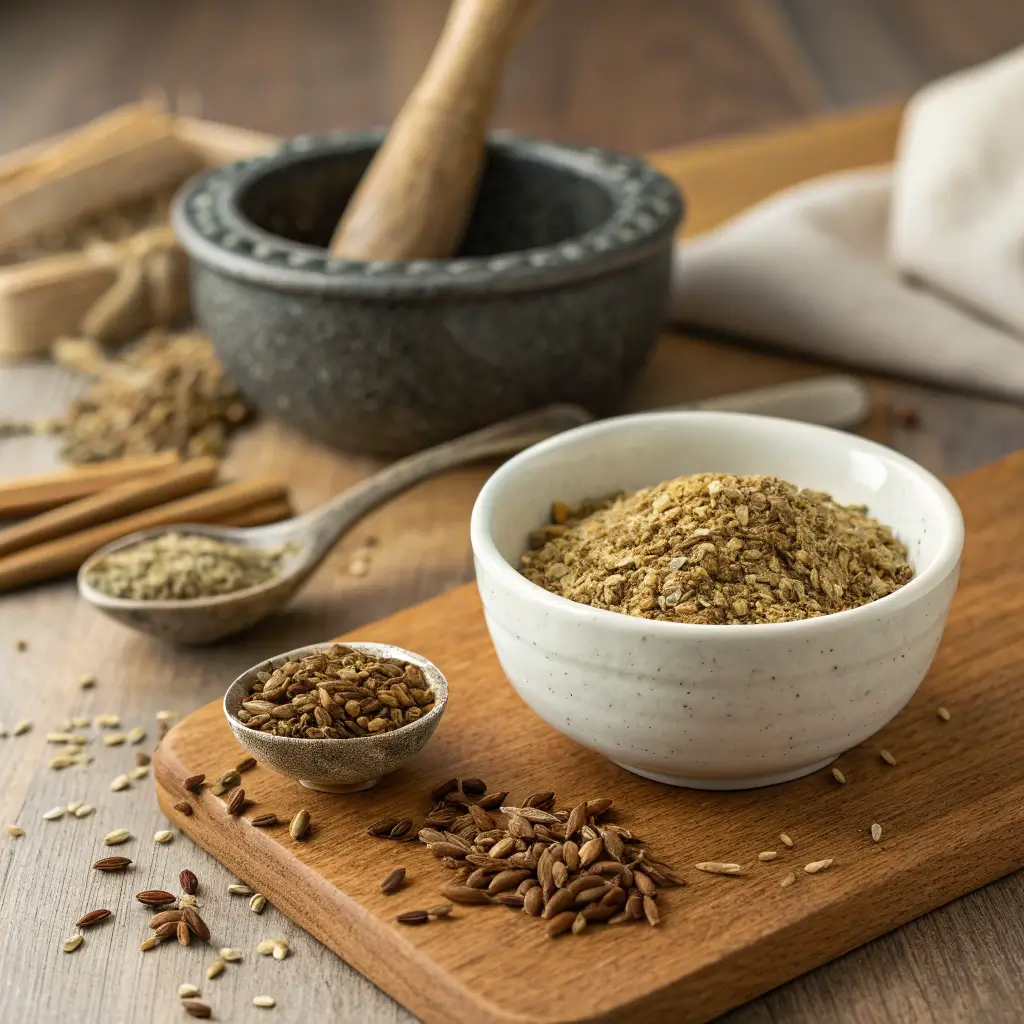
Have you ever found yourself in the middle of a recipe, only to realize you’re out of fennel seeds? I certainly have! This moment can be frustrating, but it also opens the door to culinary creativity. Fennel seeds are known for their unique, sweet, and aromatic flavor, which enhances many dishes. However, when you need a fennel seed substitute, you can explore various alternatives that not only maintain the flavor integrity but also promote digestive health. For instance, anise seeds and caraway seeds can provide similar aromatic qualities, making them excellent choices. Additionally, cumin seeds can add a savory twist, especially in hearty meals. By understanding these substitutes, you can elevate your cooking while accommodating dietary preferences. So, let’s dive into the world of flavor enhancement and discover how to create a delightful fennel seed substitute that suits your culinary needs!
Key Benefits
When it comes to enhancing your culinary creations, using a fennel seed substitute can be a game changer! Not only does it elevate the flavor profile of your dishes, but it also brings a host of health benefits. Here’s why you should consider these aromatic alternatives:
- Flavor Enhancement: Fennel seed substitutes like anise and caraway seeds provide a delightful sweetness and complexity. They can transform ordinary meals into extraordinary experiences, making your dishes pop with flavor!
- Digestive Health: Both fennel seeds and their substitutes are known for their digestive benefits. They can help soothe bloating and promote healthy digestion, which is a win-win for your well-being.
- Aromatic Seasoning: The aromatic qualities of fennel seed substitutes can add depth to your cooking. Whether you’re making soups, stews, or roasted vegetables, these spices will infuse your dishes with a warm, inviting aroma.
- Culinary Versatility: One of the best things about fennel seed substitutes is their versatility. You can use them in a variety of cuisines, from Mediterranean to Indian, and they work beautifully in both sweet and savory dishes.
- Herbal Alternatives: If you have dietary restrictions or simply want to experiment, fennel seed substitutes offer great flexibility. You can easily swap in anise or cumin, ensuring that your meals cater to your preferences without sacrificing flavor.
In summary, embracing a fennel seed substitute not only enhances your cooking but also supports your health. So, why not give it a try? Your taste buds will thank you!
Fennel Seed Substitute Ingredients
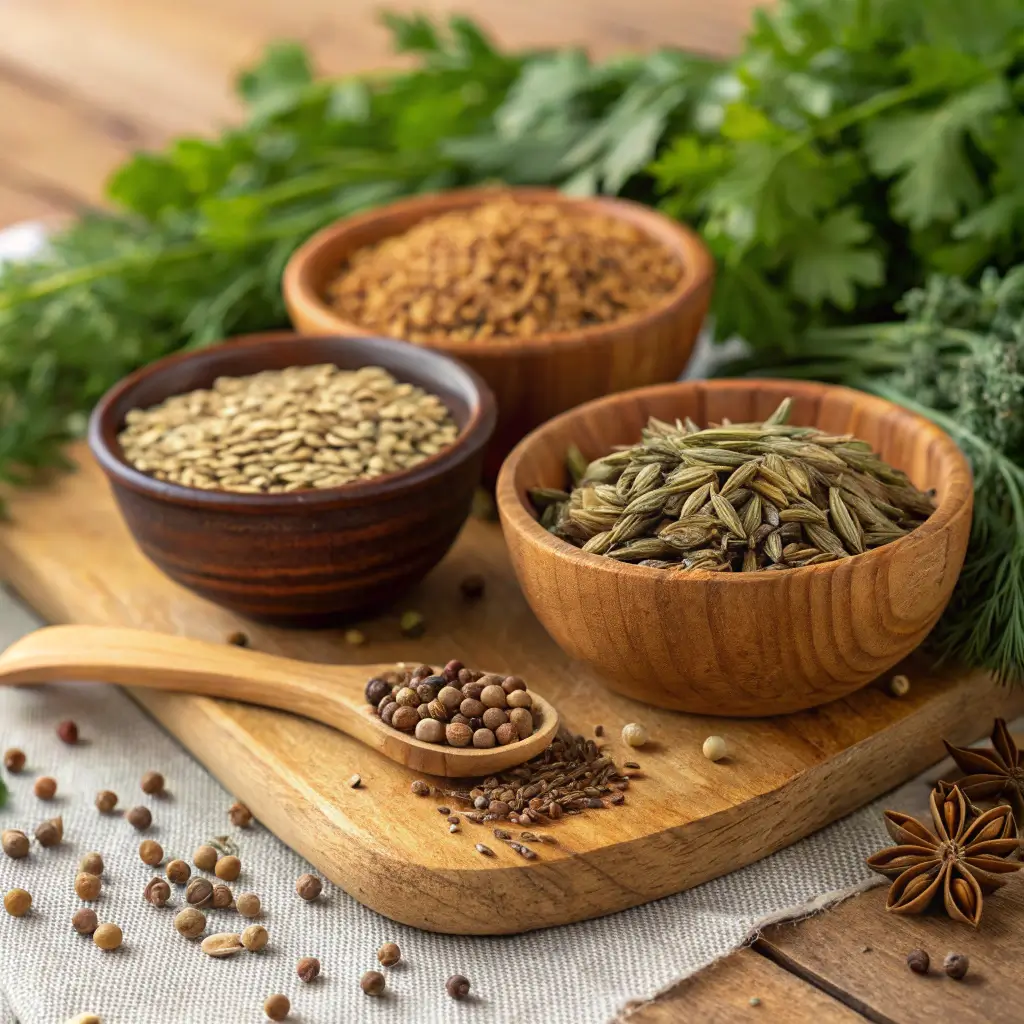
When you’re in need of a fennel seed substitute, there are several aromatic alternatives that can enhance your dishes beautifully. Here’s a concise list of ingredients to consider:
- Anise Seeds: These seeds offer a sweet, licorice-like flavor, making them a top choice for replacing fennel seeds.
- Caraway Seeds: With a slightly nutty taste, caraway seeds can provide a unique twist to your recipes.
- Cumin Seeds: In a pinch, cumin can work well, especially in savory dishes, adding depth and warmth.
- Dill: Fresh or dried dill can complement the flavor profile, bringing a fresh herbal note.
- Coriander: This herb can also enhance your dish, providing a citrusy undertone that pairs well with other spices.
By using these ingredients, you can create a fennel seed substitute that not only maintains the essence of your dish but also introduces new flavor dimensions. Remember, the key is to balance the flavors according to your personal taste and the specific dish you are preparing.
How to Make Fennel Seed Substitute
Creating a fennel seed substitute is not only simple but also a delightful way to enhance your culinary creations. Follow these easy steps to craft a flavorful alternative that will elevate your dishes.
- Gather Your Ingredients: You will need equal parts of anise seeds and caraway seeds. Alternatively, you can use cumin seeds for a different flavor profile. Make sure your spices are fresh for the best results.
- Measure the Spices: For a balanced flavor, measure one teaspoon of anise seeds and one teaspoon of caraway seeds. If you prefer a unique twist, use one teaspoon of crushed anise seeds with half a teaspoon of cumin.
- Combine the Ingredients: In a small bowl, mix the measured spices together. Use a mortar and pestle or a spice grinder to crush them slightly. This will release their aromatic oils, enhancing the flavor.
- Taste and Adjust: After blending, taste your mixture. If you find it too sweet, consider adding a pinch more caraway or cumin to balance the flavors. Adjust the ratios according to your personal preference.
- Store Properly: Transfer your fennel seed substitute into an airtight container. Store it in a cool, dark place to maintain its freshness. This way, you can enjoy your homemade blend for weeks to come.
By following these steps, you can easily create a fennel seed substitute that not only mimics the original flavor but also adds a unique twist to your dishes. Enjoy experimenting with this aromatic seasoning in your favorite recipes!
fennel seed substitute
Ingredients
Equipment
Method
- You will need equal parts of anise seeds and caraway seeds. Alternatively, you can use cumin seeds for a different flavor profile. Make sure your spices are fresh for the best results.
- For a balanced flavor, measure one teaspoon of anise seeds and one teaspoon of caraway seeds. If you prefer a unique twist, use one teaspoon of crushed anise seeds with half a teaspoon of cumin.
- In a small bowl, mix the measured spices together. Use a mortar and pestle or a spice grinder to crush them slightly. This will release their aromatic oils, enhancing the flavor.
- After blending, taste your mixture. If you find it too sweet, consider adding a pinch more caraway or cumin to balance the flavors. Adjust the ratios according to your personal preference.
- Transfer your fennel seed substitute into an airtight container. Store it in a cool, dark place to maintain its freshness. This way, you can enjoy your homemade blend for weeks to come.
Notes
Pro Tips, Variations & Common Problems
When it comes to finding a fennel seed substitute, there are several factors to consider. Here are some pro tips to help you navigate this flavorful journey:
- Start Small: If you’re using anise seeds as a substitute, begin with a smaller amount. Their flavor can be quite potent, so gradually increase to taste.
- Experiment with Ratios: For a balanced flavor, try combining equal parts of anise and caraway seeds. Alternatively, mix one teaspoon of crushed anise seeds with half a teaspoon of cumin for a unique twist.
- Enhance with Herbs: Consider adding dried herbs like dill or coriander to your fennel seed substitute. These can elevate the flavor profile and add complexity to your dish.
- Adjust for Sweetness: If you find your dish is too sweet due to the anise, balance it out with a pinch of salt or a dash of citrus juice. This can help counteract overwhelming sweetness.
- Freshness Matters: Always use fresh spices for the best flavor. Stale spices can lead to dull dishes, so check the freshness of your substitutes before using them.
Common issues can arise when substituting fennel seeds. Here’s how to troubleshoot:
- Overpowering Flavors: If your dish tastes too strong or bitter, consider adding more of the main ingredients to dilute the flavor. This can help achieve a more balanced taste.
- Inconsistent Texture: If your substitute doesn’t provide the same texture as fennel seeds, try crushing them slightly. This can help release their essential oils and enhance the overall flavor.
- Flavor Compatibility: Not all substitutes work well in every dish. For instance, while cumin can work in savory dishes, it may not be suitable for sweet recipes. Always consider the overall flavor profile of your dish.
In summary, using a fennel seed substitute can be a delightful adventure in flavor enhancement. By following these tips and being mindful of common pitfalls, you can create delicious dishes that cater to your taste preferences and dietary needs.
Serving Suggestions for Fennel Seed Substitute
When it comes to enhancing your dishes with a fennel seed substitute, the right pairings can elevate your culinary experience. Here are some delightful suggestions to consider:
Perfect Pairings
To complement the aromatic qualities of your fennel seed substitute, think about these delicious options:
- Herbal Teas: A soothing chamomile or peppermint tea can balance the flavors beautifully, especially after a hearty meal.
- Fresh Salads: Toss together a vibrant salad with citrus segments, mixed greens, and a light vinaigrette. The brightness will enhance the flavors of your dish.
- Roasted Vegetables: Pair your fennel seed substitute with roasted carrots, sweet potatoes, or beets. Their natural sweetness will harmonize wonderfully.
- Hearty Soups: Consider a comforting carrot or butternut squash soup. The warmth will complement the aromatic seasoning of your substitute.
- Flavorful Stews: A rich vegetable or lentil stew can benefit from the depth of flavor provided by your fennel seed substitute.
Creative Additions
Additionally, you can enhance your dishes further by incorporating:
- Citrus Zest: A sprinkle of lemon or orange zest can brighten the overall flavor profile.
- Garlic and Onions: Sautéing these aromatics before adding your substitute can create a robust base for any dish.
- Herbs: Fresh dill or coriander can add a refreshing touch, making your dish even more appealing.
By thoughtfully selecting these pairings, you can create a memorable dining experience that showcases the versatility of your fennel seed substitute. Enjoy experimenting with flavors and impress your guests with your culinary creativity!
Proper Storage and Reheating of Fennel Seed Substitute
When it comes to preserving the delightful flavor of your fennel seed substitute, proper storage is essential. Firstly, store your substitute in an airtight container. This helps to keep moisture and air out, which can compromise flavor. Ideally, place the container in a cool, dark place, such as a pantry or cupboard. If you want to extend its shelf life even further, consider refrigeration. In the fridge, your fennel seed substitute can stay fresh for about two weeks. Alternatively, for longer storage, freezing is a great option.
When frozen, it can last up to six months without losing its aromatic qualities. However, ensure that you vacuum-seal or tightly wrap the substitute to prevent freezer burn. Additionally, always label your containers with the date to keep track of freshness. Food safety is paramount, so avoid leaving your fennel seed substitute at room temperature for extended periods, as this can lead to spoilage or bacterial growth.
Reheating Methods
Now, let’s talk about reheating your fennel seed substitute to maintain its taste and texture. The stovetop is one of the best methods for reheating. Start by adding a small amount of oil or water to a skillet over low heat. Then, add your fennel seed substitute and stir gently for about 2-3 minutes. This method helps to refresh the flavors without drying them out. Alternatively, if you prefer using the microwave, place the substitute in a microwave-safe dish. Cover it with a damp paper towel to retain moisture, and heat in short intervals of 15-20 seconds, stirring in between.
This technique ensures even heating without overcooking. If you have an air fryer, you can also use it. Preheat the air fryer to a low temperature, around 300°F (150°C), and heat the substitute for about 5 minutes. This method crisps up the texture while keeping the flavor intact. Regardless of the method you choose, always keep an eye on the substitute to prevent it from becoming too dry or losing its aromatic essence.
Conclusion
As we wrap up this delightful journey into the world of fennel seed substitutes, I want to extend my heartfelt thanks for joining me. This recipe not only showcases the simplicity and versatility of using fennel seed substitutes but also highlights how easy it is to elevate your dishes with just a few adjustments.
Whether you choose anise seeds for their sweet, licorice-like flavor or caraway seeds for a nutty twist, you’re sure to enhance your culinary creations. So, I encourage you to step into your kitchen and give this a try; you might just discover a new favorite flavor combination!
Moreover, I would love to hear about your experiences! Feel free to share your results or ask any questions you may have. Cooking is all about experimentation, so don’t hesitate to try different variations or pairings that suit your taste. Remember, the beauty of cooking lies in its creativity, and using a fennel seed substitute is a fantastic way to explore new flavors while accommodating your dietary preferences. Enjoy the process, and happy cooking!
What can I use as a fennel seed substitute?
If you find yourself without fennel seeds, don’t worry! You can use anise seeds as a great alternative due to their similar sweet, licorice-like flavor. Additionally, caraway seeds can work well, offering a slightly nutty taste. If you’re in a pinch, cumin seeds can also be used, especially in savory dishes.
How do I make a fennel seed substitute at home?
To create a fennel seed substitute, combine equal parts of anise seeds and caraway seeds for a balanced flavor. Alternatively, mix one teaspoon of crushed anise seeds with half a teaspoon of cumin for a unique twist. Adjust the ratios based on your taste preferences and the dish you’re preparing.
Can I use dried herbs instead of fennel seeds?
Yes, you can certainly use dried herbs as a substitute for fennel seeds! Herbs like dill or coriander can enhance the flavor of your dish while providing a unique profile. However, keep in mind that the flavor intensity will differ, so start with a smaller amount and adjust to taste.
What if my fennel seed substitute is too strong?
If your fennel seed substitute turns out to be too strong, don’t fret! You can balance the flavor by adding complementary spices or ingredients. For instance, incorporating a bit of citrus zest or additional herbs can help mellow the taste. Additionally, consider reducing the quantity in future recipes to suit your palate better.
How should I store my fennel seed substitute?
To maintain the freshness of your fennel seed substitute, store it in an airtight container in a cool, dark place. If you’ve prepared a larger batch, refrigerating it can extend its shelf life. When you’re ready to use it, remember to check for any loss of flavor, as freshness is key to enhancing your dishes!