Welcome to a culinary adventure where flavor meets versatility! If you’ve ever found yourself in need of a white pepper substitute, you’re not alone. Many home cooks and chefs alike seek alternatives that can enhance their dishes without overpowering them. White pepper, known for its mild heat and unique flavor profile, can sometimes be hard to find or may not suit everyone’s taste. Therefore, exploring substitutes like ground coriander or a blend of black pepper with a hint of nutmeg can be both exciting and beneficial. Not only do these alternatives maintain the integrity of your dish, but they also offer potential digestive health benefits. So, let’s dive into the world of spice alternatives and discover how to elevate your cooking with the perfect white pepper substitute!
Key Benefits
Using a white pepper substitute can truly elevate your culinary creations. Firstly, it enhances flavor without overpowering your dishes. This is particularly beneficial for delicate sauces, soups, and light-colored meals. Additionally, substitutes like ground coriander or a mix of black pepper with a hint of nutmeg can provide similar flavor notes while catering to various dietary preferences. Moreover, these alternatives may also contribute to digestive health, making your meals not only delicious but also beneficial for your well-being. Here are some key benefits to consider:
- Flavor Enhancement: A white pepper substitute offers a mild heat and unique flavor profile, perfect for enhancing your dishes.
- Culinary Versatility: These substitutes can be used across various cuisines, from Asian to Mediterranean, making them incredibly versatile.
- Digestive Health: Some alternatives may aid in digestion, adding a healthful twist to your meals.
- Visual Appeal: Unlike black pepper, white pepper blends seamlessly into light-colored dishes, maintaining their aesthetic appeal.
In summary, opting for a white pepper substitute not only enriches your dishes but also supports your health and caters to your cooking style. So, the next time you’re in the kitchen, consider these benefits and enjoy the delightful flavors they bring!
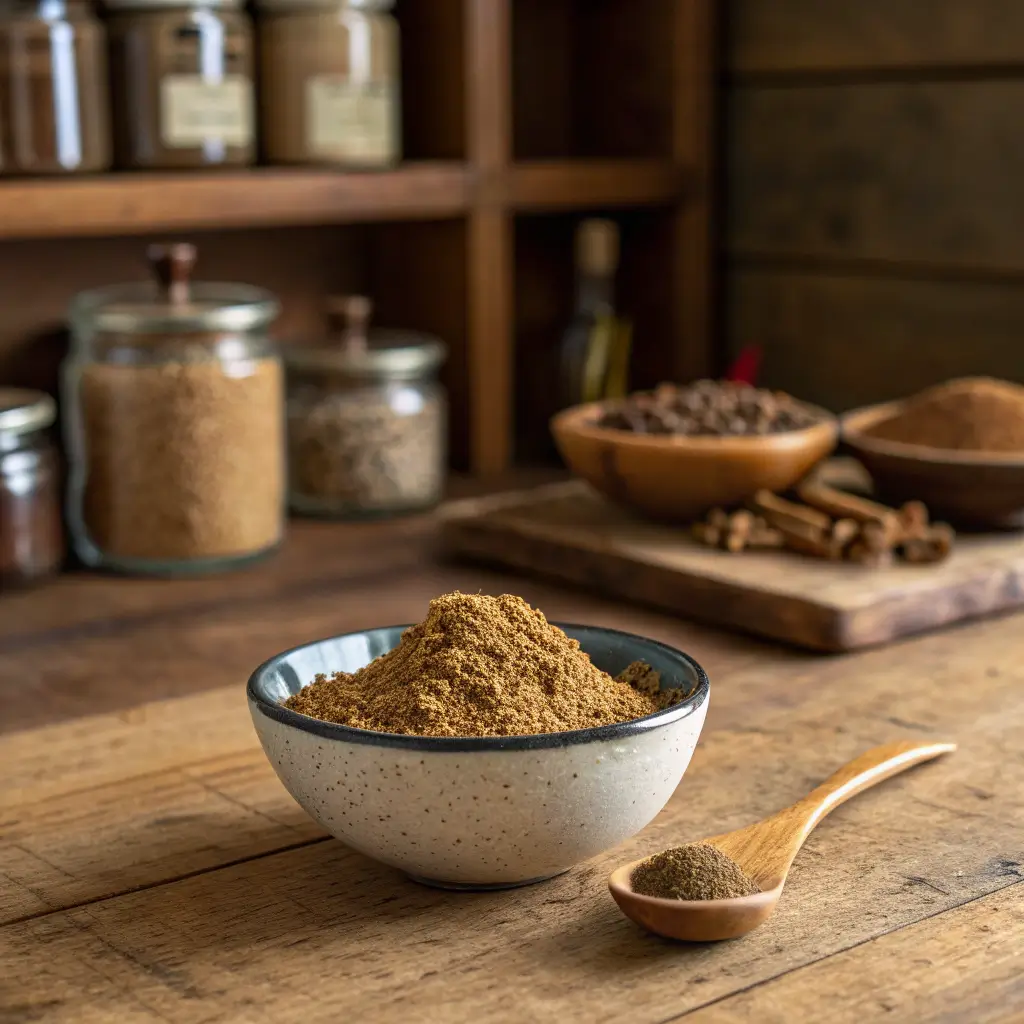
white pepper substitute
Ingredients
Equipment
Method
- Choose your base: Start with ground coriander or black pepper as your primary ingredient.
- Incorporate a pinch of nutmeg or ginger to enhance the flavor.
- Mix the selected spices in a small bowl until well combined.
- Adjust the ratios according to your taste preferences.
- Keep your homemade blend in an airtight container for future use.
Ingredients
To create an effective white pepper substitute, consider using the following ingredients:
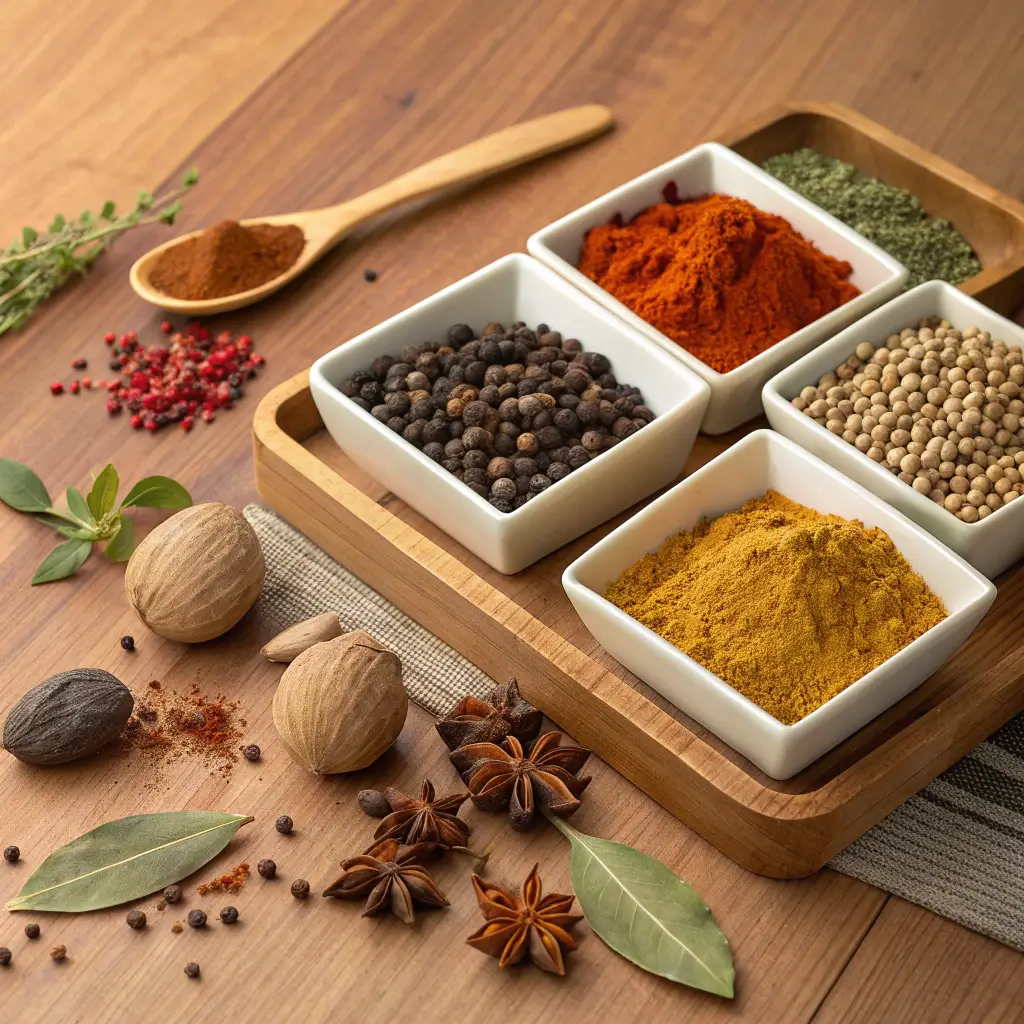
- Ground Coriander: Offers a citrusy, slightly sweet flavor, perfect for enhancing dishes.
- Black Pepper: Provides a sharper taste; use sparingly to avoid overpowering your meal.
- Nutmeg: Adds warmth and depth, especially in creamy sauces.
- Ginger: A great option for a spicy kick, particularly in Asian cuisines.
- Allspice: For a more complex flavor, allspice can mimic the earthiness of white pepper.
Each of these ingredients brings its unique flair to your cooking. For instance, ground coriander not only enhances flavor but also adds a delightful aroma. Meanwhile, black pepper can provide that familiar heat, albeit with a stronger punch. Nutmeg, on the other hand, is perfect for those creamy dishes where you want a hint of warmth. Ginger is fantastic for adding a zesty kick, especially in stir-fries. Lastly, allspice can introduce a depth that closely resembles the subtle earthiness of white pepper. So, whether you’re whipping up a delicate sauce or seasoning a hearty stew, these substitutes can elevate your culinary creations.
How to Make White Pepper Substitute
Making your own white pepper substitute is simple and requires just a few steps:
- Choose Your Base: Start with ground coriander or black pepper as your primary ingredient. This choice will set the foundation for your substitute.
- Add Complexity: Incorporate a pinch of nutmeg or ginger to enhance the flavor. These additions will provide depth and warmth.
- Blend Together: Mix the selected spices in a small bowl until well combined. Ensure that the spices are evenly distributed for a balanced flavor.
- Taste Test: Adjust the ratios according to your taste preferences. This step is crucial, as it allows you to tailor the substitute to your liking.
- Store: Keep your homemade blend in an airtight container for future use. Proper storage will maintain its freshness and potency.
By following these steps, you can create a white pepper substitute that enhances your dishes without the need for store-bought options. Additionally, this DIY approach saves time and allows for customization based on your culinary needs.
Pro Tips, Variations, and Common Problems
When using a white pepper substitute, here are some pro tips to enhance your culinary experience:
- Adjust Spice Ratios: Start with small amounts of substitutes, especially if using black pepper. This approach helps avoid overwhelming your dish.
- Experiment with Variations: Try different combinations of spices, such as mixing ground coriander with a hint of nutmeg. This method allows you to find the perfect flavor match for specific recipes.
- Common Mistakes: Avoid using too much nutmeg, as its strong flavor can dominate. Instead, use it sparingly to maintain balance.
- Taste as You Go: Always taste your dish during cooking. This practice ensures that the flavors are balanced and to your liking.
Additionally, consider these creative variations for your white pepper substitute:
- For a Citrus Twist: Blend ground coriander with a touch of lemon zest. This combination brightens up your dishes.
- For a Spicy Kick: Incorporate ginger powder for an extra layer of warmth, especially in Asian-inspired recipes.
- For Earthy Depth: Use allspice to mimic the earthiness of white pepper, particularly in hearty stews.
In the event that you encounter common problems, here are some solutions:
- Too Much Heat: If your dish becomes too spicy, add a splash of cream or coconut milk to mellow the flavors.
- Flavor Imbalance: If the substitute alters the intended flavor profile, adjust with a pinch of salt or sugar to balance it out.
- Color Concerns: If using black pepper changes the appearance of light-colored dishes, consider using ground coriander instead for a more subtle look.
By following these tips and variations, you can confidently navigate the world of white pepper substitutes. Remember, cooking is all about exploration and finding what works best for your palate!
Serving Suggestions for White Pepper Substitute
When it comes to serving dishes that benefit from a white pepper substitute, the possibilities are both delightful and diverse. Traditionally, white pepper is favored in light-colored dishes, where its subtle heat and unique flavor can shine without overpowering the other ingredients. Here are some engaging serving suggestions that will surely impress your guests:
- Creamy Soups: For instance, a velvety potato or cauliflower soup can be elevated with a sprinkle of your white pepper substitute. This addition not only enhances the flavor but also maintains the dish’s elegant appearance.
- Sauces: Use your substitute in creamy sauces like béchamel or Alfredo. The mild warmth will complement the richness, creating a harmonious balance that delights the palate.
- Vegetable Dishes: Moreover, your white pepper substitute is perfect for seasoning steamed or roasted vegetables. It adds depth without altering the vibrant colors, making your dish visually appealing.
- Asian Cuisine: Additionally, consider using it in stir-fries or marinades. The delicate spice is ideal for enhancing the flavors of dishes like stir-fried tofu or chicken, where a gentle kick is desired.
In conclusion, incorporating a white pepper substitute into your culinary creations can transform ordinary meals into extraordinary experiences. By using these serving suggestions, you will not only impress your guests but also showcase your culinary versatility. So, the next time you cook, remember these tips to elevate your dishes with a touch of warmth and flavor!
Preserving and Reheating Your White Pepper Substitute
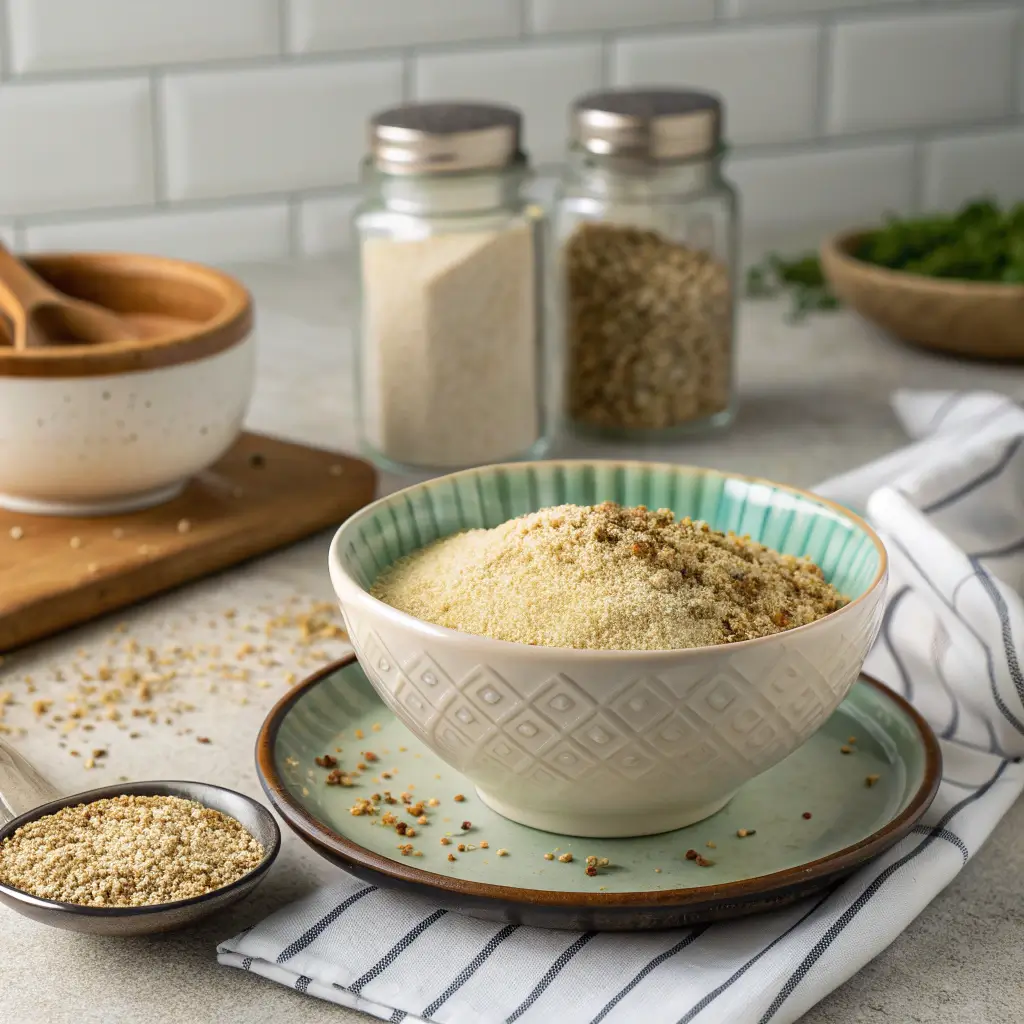
To ensure your white pepper substitute retains its delightful flavor and quality, proper storage and reheating techniques are essential. First, let’s talk about storage. The best way to store your white pepper substitute is in an airtight container. This keeps moisture out and preserves its flavor. You can store it in the refrigerator for up to two weeks, or if you want to keep it longer, consider freezing it. In the freezer, it can last for up to six months. Just make sure to label your container with the date, so you know when to use it by. Additionally, always check for any signs of spoilage, such as an off smell or discoloration, to prevent any food safety issues.
Now, when it comes to reheating your dishes containing white pepper substitute, gentle methods work best. For instance, if you’re using the stovetop, heat your dish over low heat. Stir frequently to ensure even warming. If you prefer the microwave, place your dish in a microwave-safe container, cover it with a damp paper towel, and heat in short intervals, stirring in between. This technique adds moisture back into the dish, preventing it from drying out. Alternatively, you can use an oven set to a low temperature, around 300°F (150°C). Cover your dish with foil to keep it moist and heat for about 10-15 minutes, checking occasionally. By following these simple steps, you can enjoy your white pepper substitute dishes just as deliciously as the first time!
Conclusion
As we wrap up this delightful journey into the world of white pepper substitutes, I hope you feel inspired to bring this simple yet versatile recipe into your kitchen. Not only does it enhance the flavor of your dishes, but it also opens the door to endless culinary creativity. I encourage you to share your thoughts in the comments below—did you try the recipe? What variations did you experiment with? Remember, cooking is all about having fun and making it your own. So, whether you opt for ground coriander, a hint of nutmeg, or a blend of spices, your dishes will surely shine. If you have any questions or need tips, feel free to reach out. I’m here to help! Lastly, don’t hesitate to showcase your results on social media; I would love to see how you’ve made this recipe uniquely yours. Happy cooking!
What can I use instead of white pepper?
If you’re looking for a white pepper substitute, consider using ground coriander, black pepper, or a blend of nutmeg and ginger. These options can provide a similar flavor profile without overpowering your dish.
Is black pepper a good substitute for white pepper?
Yes, black pepper can be a good substitute for white pepper. However, it has a stronger flavor, so use it sparingly. Start with a smaller amount and adjust according to your taste preferences.
Can I use ground ginger as a substitute for white pepper?
Absolutely! Ground ginger can add a nice spicy kick to your dishes. It works particularly well in Asian recipes, but remember to use it in moderation to avoid overwhelming the other flavors.
How do I make a homemade white pepper substitute?
To create a homemade white pepper substitute, mix ground coriander with a pinch of nutmeg or ginger. Start with a base of coriander, then add the other spices to taste. This blend can mimic the flavor of white pepper effectively.
What dishes benefit from a white pepper substitute?
Dishes like creamy soups, sauces, and stir-fries can greatly benefit from a white pepper substitute. It enhances the flavor without altering the dish’s appearance, making it perfect for light-colored recipes.