
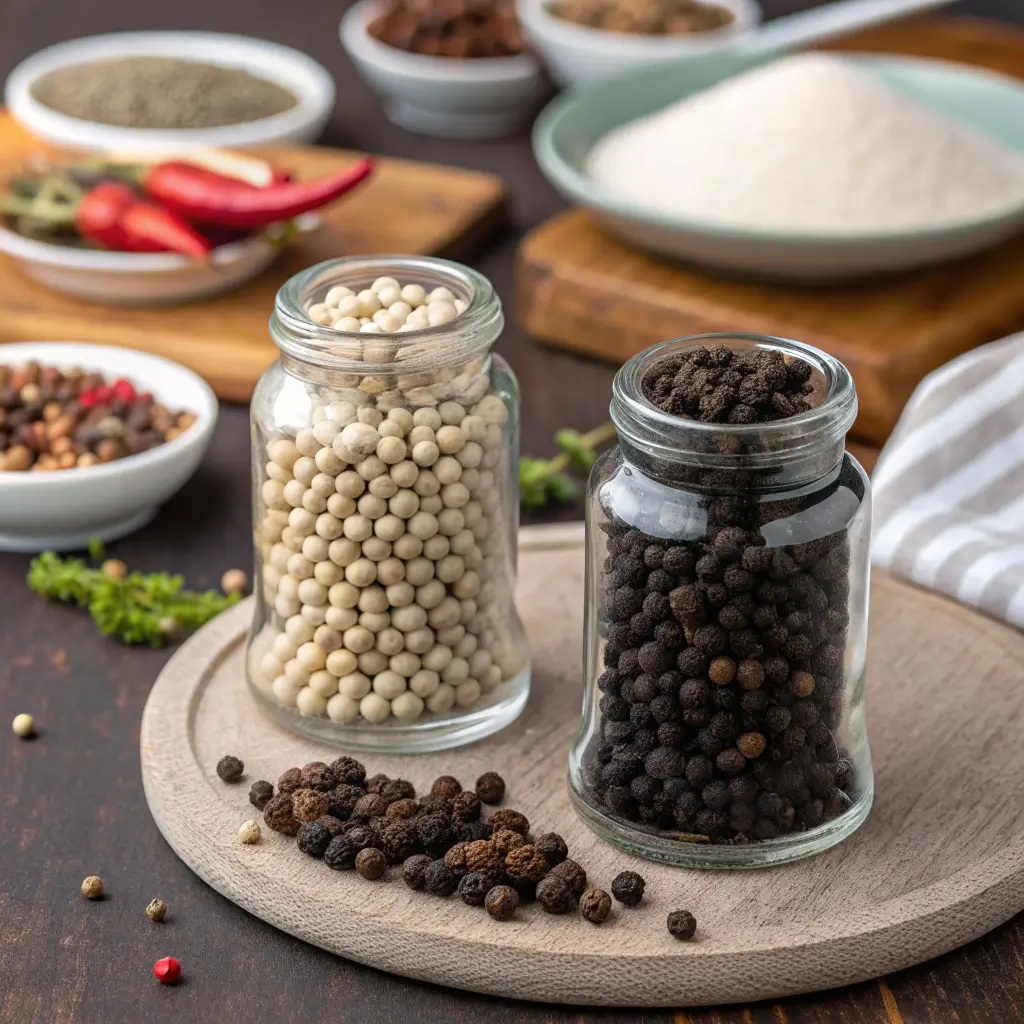
Have you ever wondered why some dishes call for white pepper while others prefer black? Surprisingly, these two spices, though derived from the same plant, offer distinct flavors and culinary uses. Understanding the differences between white pepper vs black pepper can elevate your cooking and enhance your meals. Both spices not only provide unique flavor profiles but also come with their own health benefits. For instance, black pepper is known for its digestive health properties, while white pepper adds a milder taste to delicate sauces. By incorporating these spices into your cooking, you can create dishes that are not only delicious but also nutritious. So, let’s dive into the world of pepper and explore how each can transform your culinary creations!
- Key Benefits
- White Pepper vs Black Pepper: What's the Difference?
- white pepper vs black pepper
- Ingredients
- How to Make White Pepper vs Black Pepper
- Pro Tips, Variations & Common Problems
- Serving Suggestions
- Preserving and Reheating
- Conclusion
- FAQs
- How to Make White Pepper vs Black Pepper
- Pro Tips, Variations & Common Problems
- Serving Suggestions for White Pepper vs Black Pepper
- Storing and Reheating White Pepper vs Black Pepper
- Conclusion
- FAQs about White Pepper vs Black Pepper
Key Benefits
Understanding the key benefits of white pepper vs black pepper can elevate your culinary creations. Both spices add unique flavors to dishes, but they also offer health advantages. Black pepper is known for aiding digestion and enhancing nutrient absorption, while white pepper provides a milder taste that works well in delicate sauces. Incorporating these spices can enhance your meals, making them not only more flavorful but also more nutritious.
Health Benefits
Here are some notable health benefits of both white and black pepper:
- Digestive Health: Black pepper stimulates the production of hydrochloric acid in the stomach, aiding digestion. White pepper, on the other hand, can help alleviate bloating and gas.
- Nutritional Benefits: Black pepper enhances the bioavailability of nutrients, making it easier for your body to absorb vitamins and minerals from food.
- Anti-inflammatory Properties: Both types of pepper contain piperine, which has anti-inflammatory effects and may help reduce inflammation in the body.
- Aromatic Profile: White pepper has a unique aroma that can enhance the flavor of creamy dishes without overpowering them, while black pepper adds a robust kick to savory meals.
In summary, whether you choose white pepper vs black pepper, both can contribute to a healthier diet while adding depth to your culinary creations.
White Pepper vs Black Pepper: What’s the Difference?
Understanding the key benefits of white pepper vs black pepper can elevate your culinary creations. Both spices add unique flavors to dishes, but they also offer health advantages. Black pepper is known for aiding digestion and enhancing nutrient absorption, while white pepper provides a milder taste that works well in delicate sauces. Incorporating these spices can enhance your meals, making them not only more flavorful but also more nutritious.
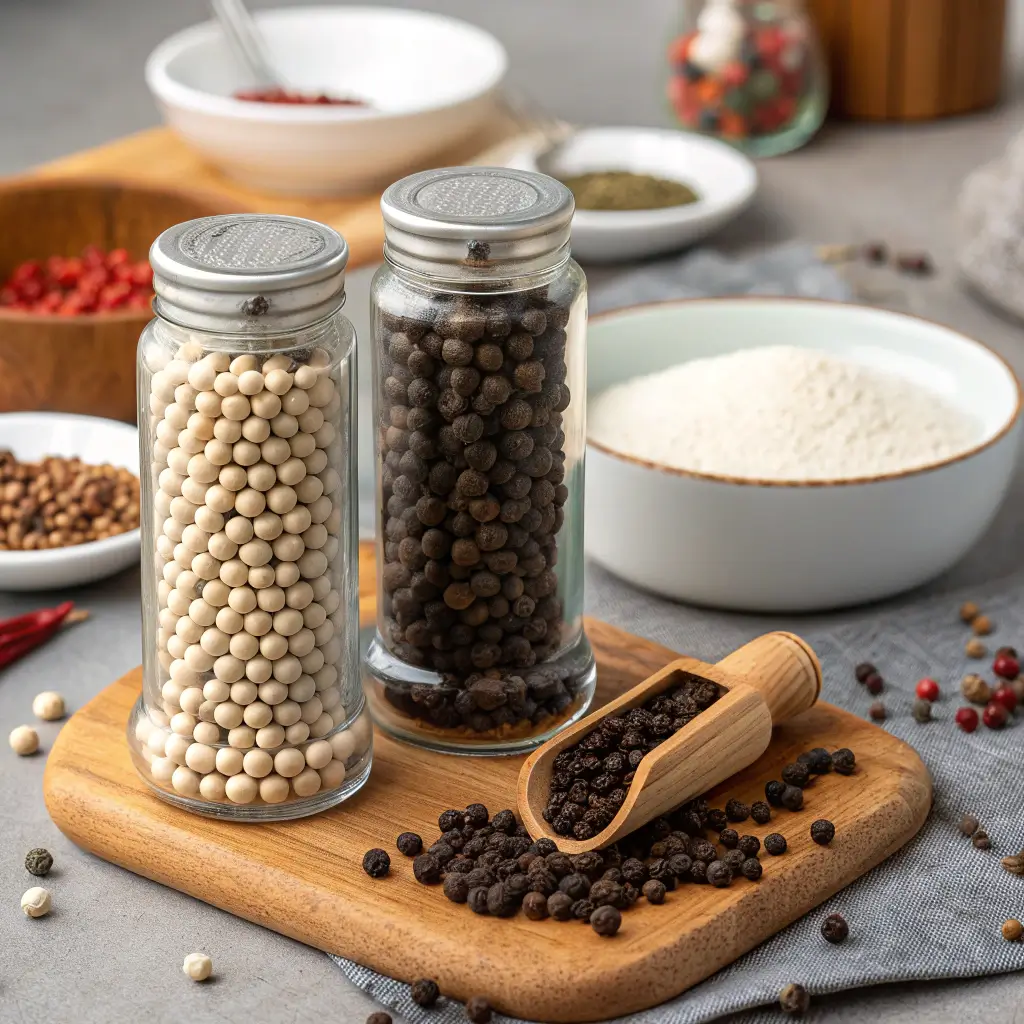
white pepper vs black pepper
Ingredients
Equipment
Method
- For black pepper, take whole black peppercorns and grind them using a mortar and pestle or spice grinder to your desired coarseness.
- Soak ripe white peppercorns in water for 24 hours, then rub to remove the outer skin, rinse, dry, and grind to a fine consistency.
Notes
Ingredients
The primary ingredient in both white and black pepper is the peppercorn, but their processing methods differ significantly. Black pepper is harvested when the berries are still green and then dried, which gives it a robust flavor. In contrast, white pepper is made from fully ripe berries that are soaked to remove the outer layer, resulting in a milder taste. For those looking for alternatives, consider using allspice or crushed red pepper flakes to achieve different flavor profiles in your dishes.
How to Make White Pepper vs Black Pepper
Making white and black pepper at home is simple. For black pepper, start with whole peppercorns and use a mortar and pestle or a spice grinder to achieve your desired coarseness. For white pepper, the process is similar, but be sure to soak the ripe berries first to remove the outer skin before grinding. This ensures a smooth texture and a subtle flavor that can enhance soups and creamy sauces. Experiment with different grinding techniques to find the perfect consistency for your recipes.
Pro Tips, Variations & Common Problems
When using white pepper vs black pepper, consider these pro tips. Store your spices in airtight containers away from light to maintain freshness. If you find white pepper too pungent, try mixing it with a touch of ground coriander for a balanced flavor. A common mistake is overusing these spices; start with a pinch and adjust according to taste. Additionally, if you run out of one type, you can substitute with the other, but be mindful of the flavor differences.
Serving Suggestions
White pepper is ideal for creamy dishes like potato soup or béchamel sauce, while black pepper shines in hearty meals like stir-fries and grilled vegetables. For an elegant touch, sprinkle freshly ground black pepper over salads or pasta just before serving. Consider using white pepper in light-colored sauces to maintain visual appeal while enhancing flavor without overpowering the dish.
Preserving and Reheating
To preserve the flavor of white and black pepper, store them in a cool, dry place. Whole peppercorns can last for years, while ground spices should be used within six months for optimal flavor. When reheating dishes seasoned with these spices, do so gently to prevent flavor degradation. Adding a pinch of freshly ground pepper just before serving can revitalize the dish.
Conclusion
In conclusion, understanding the differences between white pepper vs black pepper not only enhances your culinary skills but also opens up a world of flavor possibilities. Each spice brings its own unique attributes to the table, allowing for creative expression in the kitchen. By experimenting with both, you can discover new dimensions in your cooking while enjoying their health benefits.
FAQs
Common questions about white pepper vs black pepper often arise in culinary discussions. Whether you’re curious about their flavor profiles or health benefits, understanding these spices can enhance your cooking experience. Remember, the key to mastering white pepper vs black pepper lies in knowing when and how to use each one effectively.
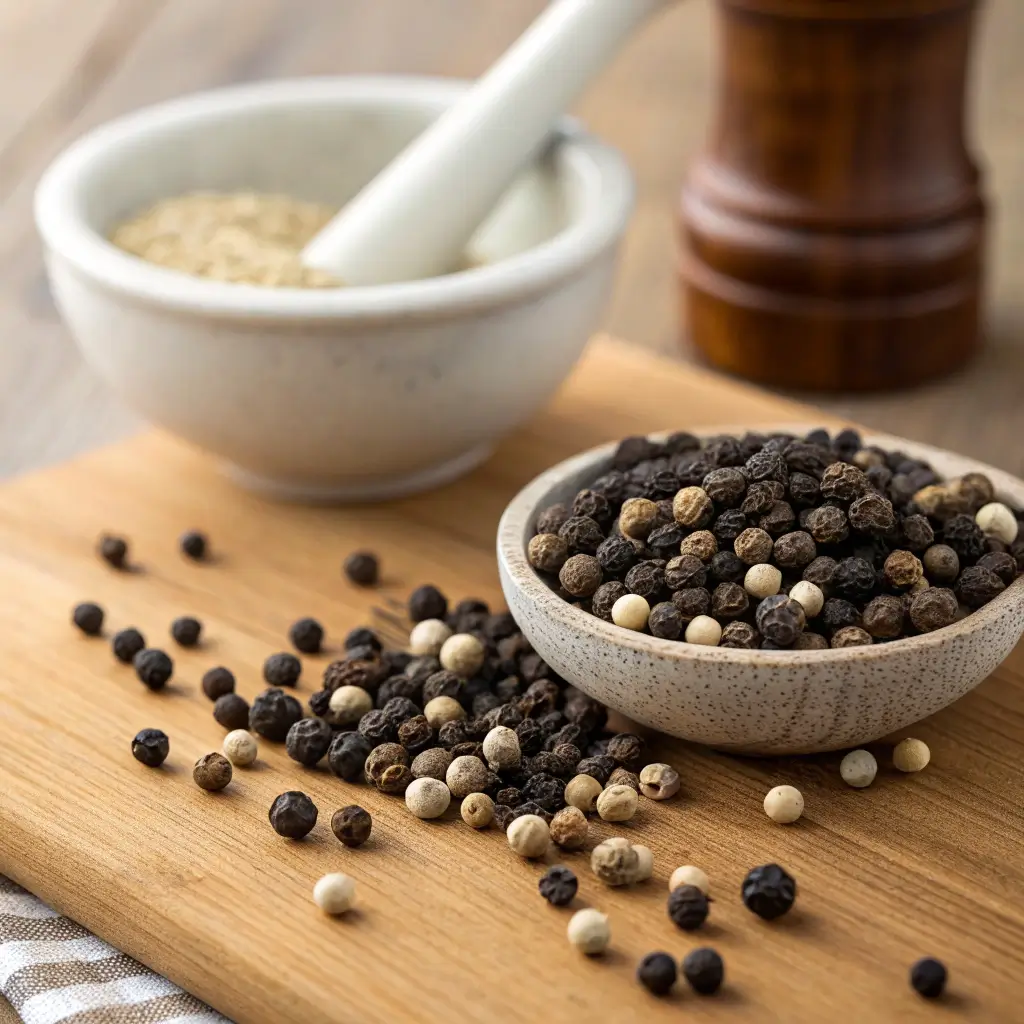
How to Make White Pepper vs Black Pepper
Making white and black pepper at home is simple and rewarding. Follow these steps to create your own fresh spices.
- Gather Your Ingredients: Start with whole peppercorns. You can use black peppercorns for black pepper and fully ripe white peppercorns for white pepper.
- Prepare the Black Pepper: For black pepper, simply take the whole black peppercorns. Use a mortar and pestle or a spice grinder to grind them to your desired coarseness. This process releases the robust flavor that black pepper is known for.
- Prepare the White Pepper: For white pepper, begin by soaking the ripe white peppercorns in water for about 24 hours. This step is crucial as it helps remove the outer skin, resulting in a smoother texture.
- Remove the Skin: After soaking, gently rub the peppercorns to remove the softened outer layer. Rinse them thoroughly under running water to ensure all skin remnants are gone.
- Dry the Peppercorns: Spread the cleaned white peppercorns on a clean towel or a baking sheet. Allow them to air dry completely. This step is essential for achieving the right flavor and texture.
- Grind the White Pepper: Once dried, use the mortar and pestle or spice grinder to grind the white peppercorns. Aim for a fine consistency, which is perfect for delicate dishes.
- Store Your Spices: Transfer both black and white pepper to airtight containers. Store them in a cool, dark place to maintain their freshness and flavor.
By following these steps, you can enjoy the distinct flavors of white pepper vs black pepper in your cooking. Experiment with different grinding techniques to find the perfect consistency for your recipes.
Pro Tips, Variations & Common Problems
When it comes to using white pepper vs black pepper, there are several pro tips to keep in mind. Firstly, store your spices in airtight containers away from light to maintain their freshness. Additionally, if you find white pepper too pungent, consider mixing it with a touch of ground coriander for a more balanced flavor. A common mistake is overusing these spices; therefore, start with a pinch and adjust according to your taste preferences. Furthermore, if you run out of one type, you can substitute it with the other, but be mindful of the flavor differences.
For variations, try using white pepper in creamy sauces or soups where you want to avoid visible specks, as it blends seamlessly. On the other hand, black pepper is perfect for hearty dishes like stir-fries or roasted vegetables, adding a robust kick. If you want to experiment, consider adding a hint of smoked paprika or cayenne pepper for an extra layer of flavor.
Common problems include the spices losing their potency over time. To avoid this, check the expiration dates and replace them if necessary. If your dish tastes bland, it might be due to insufficient seasoning; thus, taste as you go and adjust accordingly. Lastly, if you accidentally add too much pepper, try balancing it out with a bit of sugar or cream to mellow the heat.
Serving Suggestions for White Pepper vs Black Pepper
When it comes to serving dishes, the choice between white pepper and black pepper can significantly enhance the overall presentation and flavor profile. Here are some delightful serving suggestions to impress your guests:
- Elegant Plating: For creamy soups like potato or cauliflower, use white pepper to maintain the dish’s light color. Serve in a beautiful bowl and finish with a drizzle of olive oil and a sprinkle of fresh herbs for a pop of color.
- Visual Appeal: Black pepper works wonders on grilled vegetables or roasted meats. Consider coarsely grinding it and sprinkling it over the dish just before serving. This not only adds flavor but also creates a visually appealing contrast.
- Seasoning Techniques: For salads, use freshly cracked black pepper to add a touch of sophistication. A light dusting over a vibrant salad of mixed greens, cherry tomatoes, and avocado can elevate the dish.
- Flavor Balancing: When preparing creamy sauces, such as a béchamel, opt for white pepper. It blends seamlessly without altering the sauce’s color, allowing the dish to shine.
- Meal Presentation: For pasta dishes, finish with a generous sprinkle of black pepper and a touch of grated cheese. This not only enhances the flavor but also adds a rustic charm to your presentation.
In summary, whether you choose white pepper or black pepper, the key is to use them thoughtfully. Each spice brings its unique character to the table, allowing you to create dishes that are not only delicious but also visually stunning.
Storing and Reheating White Pepper vs Black Pepper
When it comes to preserving the flavors of white pepper vs black pepper, proper storage is essential. Both spices thrive in cool, dark environments, but their storage methods can differ slightly. For both types, using airtight containers is crucial. This prevents moisture and air from degrading their quality. Ideally, store whole peppercorns in a glass jar or a vacuum-sealed bag in a pantry or cupboard away from light. Ground pepper, however, should be used within six months for optimal flavor. If you must refrigerate, white pepper can last up to a year, while black pepper may retain its freshness for about six months.
Freezing is another option; both types can be frozen for up to two years, but ensure they are in airtight containers to avoid freezer burn. Always label your containers with the date to keep track of freshness. Additionally, remember to avoid storing them near strong-smelling foods, as they can absorb odors, which may alter their taste.
Now, let’s talk about reheating. The method you choose can significantly impact the flavor and texture of your dishes seasoned with white or black pepper. For white pepper, which has a more delicate flavor, reheating on the stovetop is ideal. Simply place your dish in a skillet over low heat, stirring occasionally to ensure even warming. If the dish appears dry, add a splash of broth or water to refresh it. Conversely, black pepper can withstand higher temperatures, making the oven a suitable option. Preheat your oven to 350°F (175°C), place your dish in an oven-safe container, and cover it with foil to retain moisture. Heat for about 15-20 minutes, checking occasionally.
If you’re in a hurry, the microwave works for both types, but be cautious. Use a microwave-safe container, cover it loosely, and heat in short intervals, stirring in between. This prevents overheating and preserves the spices’ flavors. Finally, for an extra flavor boost, consider adding a pinch of freshly ground pepper just before serving. This simple step can elevate your dish, ensuring it tastes as vibrant as when it was first made.
Conclusion
As we wrap up this delightful exploration of white pepper vs black pepper, I hope you feel inspired to try this recipe in your own kitchen. The simplicity and versatility of these spices make them a fantastic choice for enhancing your culinary creations. Whether you’re whipping up a creamy soup or a hearty stir-fry, both white and black pepper can elevate your dishes with their unique flavors. So, don’t hesitate to dive in and enjoy the process of cooking!
I invite you to share your results or ask any questions you may have. Your cooking journey is uniquely yours, and I encourage you to experiment with different variations or pairings to make this recipe your own. Remember, cooking is all about creativity and fun! Whether you choose white pepper for its subtlety or black pepper for its boldness, you’re sure to discover new flavors that excite your palate.
In the end, the kitchen is your playground, and every meal is an opportunity to explore and express yourself. So, gather your ingredients, roll up your sleeves, and let the magic of cooking unfold. Happy cooking!
FAQs about White Pepper vs Black Pepper
Curious about the differences between white pepper vs black pepper? You’re not alone! Here are some common questions that might help clarify things for you.
What is the main difference between white pepper and black pepper?
The primary difference lies in their processing. Black pepper is harvested when the berries are still green and dried, giving it a robust flavor. In contrast, white pepper comes from fully ripe berries that are soaked to remove the outer layer, resulting in a milder taste. Thus, when choosing between white pepper vs black pepper, consider the flavor profile you desire.
Can I substitute white pepper for black pepper in recipes?
Yes, you can substitute white pepper for black pepper, but be aware of the flavor differences. White pepper has a more earthy and slightly fermented taste, which may alter the dish’s overall flavor. Therefore, start with a smaller amount and adjust according to your taste preferences.
Is one type of pepper healthier than the other?
Both white pepper and black pepper have health benefits, but they differ slightly. Black pepper is known for its antioxidant properties and can aid digestion. White pepper, on the other hand, may be easier on the stomach for some people. Consequently, if you have digestive sensitivities, you might prefer white pepper.
ow should I store white and black pepper?
To maintain freshness, store both white and black pepper in airtight containers away from light and heat. Whole peppercorns can last for years, while ground pepper should ideally be used within six months. Therefore, keeping them in a cool, dark place will help preserve their flavors.
What dishes are best suited for white pepper vs black pepper?
White pepper is excellent in creamy dishes like soups and sauces, where a milder flavor is desired. Black pepper, however, shines in heartier dishes like stir-fries and grilled meats. Thus, consider the dish you’re preparing when deciding between white pepper vs black pepper for the best flavor enhancement.